Watercolor Camera with Tropical Flowers: A Designer's Take
As someone who spends more time staring at stitch maps than most people care to admit, I approach new Illustrations and Graphics with a specific set of questions. It is not just about whether an image looks pretty on a screen; it is about how that image translates into thread, how it sits on fabric, and whether it holds up under the scrutiny of a paying customer. Recently, I came across the Watercolor Camera with Tropical Flowers design, marketed primarily as a PNG sublimation file. While the product description highlights its use for digital downloads and print-on-demand, my mind immediately went to a different application: could this work as a foundation for a unique machine embroidery design or a hybrid craft project?
The Visual Personality and First Impressions
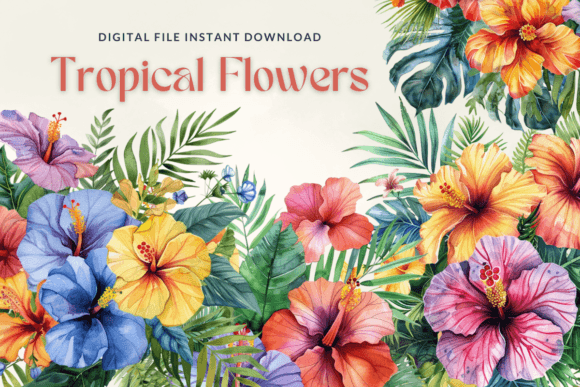
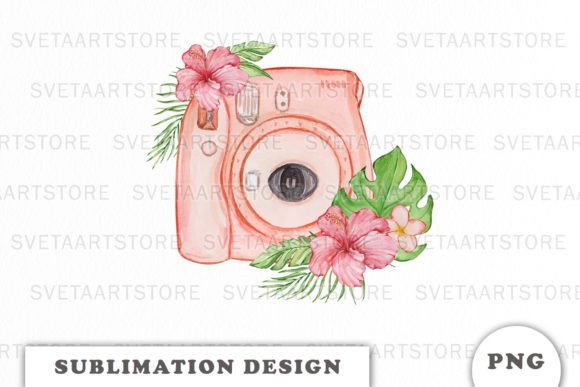
The first thing that strikes you about the Watercolor Camera with Tropical Flowers is its mood. It captures a very specific aesthetic that blends vintage nostalgia with vibrant, organic energy. The camera acts as a structured, geometric anchor, while the tropical florals introduce softness and movement. For an embroidery designer, this contrast is both exciting and challenging. The "watercolor" effect implies soft edges and blending colors, which can be notoriously difficult to replicate with thread unless you are using specific techniques like long-and-short stitch or detailed fill stitch work.
If you are considering adapting this Graphics asset for stitching, the layout feels naturally balanced. It is not overly symmetrical, which gives it a handmade, artistic feel that resonates well with current trends in boutique branding. However, because the original file is a 300 dpi PNG intended for sublimation, you do not receive a pre-digitized embroidery file. This means the burden of translation falls on you. You would need to decide if you want to trace this for an applique design, where the fabric provides the watercolor texture, or if you intend to digitize it entirely into satin and fill stitches. The visual personality suggests it belongs on items that celebrate creativity—think photographer portfolios, travel blogs, or artisan shops.
Real-World Application: The Custom Tote Scenario
Let's walk through a real-life scenario to see how this design performs. Imagine a client runs a small photography business and wants branded merchandise for an upcoming workshop. They need something that feels personal but professional. A canvas tote bag design featuring the Watercolor Camera with Tropical Flowers seems like the perfect fit.
In this context, the design shines. The tropical elements add a pop of color that stands out against natural cotton or linen, making the handmade product feel high-end. If I were executing this, I might use the PNG as a template to cut fabric pieces for an appliqué method. This preserves the watercolor look better than trying to stitch every gradient. The camera body could be stitched with a tight satin stitch border in a neutral grey or black, while the flowers could be individual fabric cuts layered over the base. This approach reduces stitch density, keeping the bag flexible and comfortable to carry, rather than creating a stiff, cardboard-like patch.
For a sweatshirt embroidery project, the stakes are slightly higher. Sweatshirt fleece has a distinct fabric texture that can swallow fine details. If you attempt to stitch the tiny petals of the tropical flowers directly onto fleece without proper stabilization, the design may pucker or lose definition. In this case, the design works best if scaled up slightly to ensure the thread colors have enough room to breathe. A customer receiving this as a personalized gift would likely appreciate the uniqueness, but they will also judge it on durability. If the stitches pull apart after one wash, your reputation as an Etsy seller or craft professional takes a hit.
Navigating Technical Challenges and Fabric Choices
While the aesthetic appeal is strong, there are areas where the Watercolor Camera with Tropical Flowers requires careful handling. Because the original asset is a raster image (PNG) and not a vector or native embroidery format, you must be vigilant about resolution if you plan to enlarge it for a large hoop. Pixelation is the enemy of clean digitizing.
You should also exercise caution with small hoop sizes. The intricate details of the camera lens and the delicate flower petals might get lost if the design is shrunk too much for a cap or a baby onesie. On curved surfaces like hats, the density of the floral arrangement could cause shifting if the stabilizer isn't robust enough. I always recommend testing the design on scrap fabric first, especially when dealing with stretchy materials or dark fabrics where light-colored threads might need an underlay to prevent the background from showing through.
Furthermore, consider the washing instructions for the finished product. Items like kitchen towels or aprons undergo frequent laundering. A design with many small, disconnected floral elements (common in tropical themes) risks snagging or fraying over time if the stitch connections aren't secure. For holiday embroidery gifts or items meant to be heirlooms, reinforcing those small corners and detailed areas is non-negotiable.
Enhancing Brand Value and Customer Trust
Ultimately, the choice to use a design like this affects your brand consistency and perceived value. Using a cohesive theme like the Watercolor Camera with Tropical Flowers across your custom apparel or home decor line can create a recognizable signature style. It tells customers that you pay attention to detail and curate your design assets thoughtfully.
When potential buyers see a well-executed version of this design—whether on an embroidered patch, a pillow cover, or a nursery decor item—they associate that quality with your shop. It builds trust. However, this only works if the execution matches the promise of the image. Poorly digitized lines or mismatched thread colors can make even the best illustration look amateurish. Before listing this as a small shop product, compare how it looks in black and white mockups versus full color to ensure the contrast holds up in all lighting conditions.
Practical Notes for the Professional Maker
Before diving into production with the Watercolor Camera with Tropical Flowers, keep these practical steps in mind:
- Verify Licensing: Since this is sold as a digital download for sublimation, confirm the license terms before using it for commercial embroidery projects. Some creators restrict the use of their PNGs for physical goods beyond printing.
- Check Stitch Density: If digitizing yourself, avoid over-saturating the fabric with thread. The watercolor look often benefits from some negative space.
- Test Contrast: Ensure your chosen thread palette mimics the vibrancy of the original tropical flowers without clashing.
- Inspect Small Details: Zoom in on the camera lens and flower centers. These areas often need manual tweaking in the digitizing software to stitch cleanly.
- Confirm Hoop Size: Make sure your machine's hoop capacity can handle the full width of the design without needing to re-hoop, which can lead to alignment issues.
In conclusion, the Watercolor Camera with Tropical Flowers offers a delightful blend of structure and nature that can elevate a variety of projects. Whether you are creating a printable mockup for a digital listing or stitching a physical baby embroidery piece, the key lies in respecting the source material's artistic intent while applying rigorous technical standards. With the right preparation and a keen eye for detail, this design can become a standout star in your portfolio of commercial embroidery and handmade goods.